Check Category

Reliability Assessment of Membrane Switches in Children's Toys

In our daily lives, children's toys are ubiquitous. Among these innovative playthings, membrane switches have gradually emerged as an efficient and versatile control technology, finding increasing applications in various types of toys. Have you ever wondered why some toys can maintain excellent functionality even during intense play? The answer often lies in the reliability of membrane switches. Today, we'll delve deeper into the reliability assessment of membrane switches used in children's toys, as well as the crucial role played by membrane switch manufacturers throughout this process. What exactly is a membrane switch? As the name suggests, a membrane switch consists of multiple layers of thin film materials. Not only is it lightweight, but it can also be crafted into a wide variety of shapes and designs—making it exceptionally well-suited for the creative demands of children's toy design. Imagine your child's favorite toy responding to simple touch with delightful sounds or vibrant lights—such interactive experiences are truly captivating! And that's precisely what membrane switches enable, enhancing the appeal of toys and keeping children engaged. How do we evaluate the reliability of membrane switches? When assessing the reliability of membrane switches, several key factors must be considered. First is durability: since children's toys are often subjected to rigorous usage conditions, membrane switches need to withstand repeated pressing without failing. Second is environmental adaptability: toys may encounter diverse and unpredictable environments, so the switches must perform reliably under varying conditions such as temperature fluctuations, humidity, and exposure to external elements.

2025-04-13

The design inspiration behind membrane switches in household appliances

In modern households, home appliances have become an indispensable part of our daily lives. Imagine an ordinary family equipped with a refrigerator, washing machine, microwave oven—even those seemingly simple lighting fixtures. Among these control systems, the membrane switch, as an emerging technology, is gradually gaining widespread attention. But how exactly does the membrane switch stand out in household appliances? Let's explore this together. **Basic Concepts of Membrane Switches** As the name suggests, a membrane switch is a type of switch made from a thin film material. It combines conductive and insulating materials, enabling it to withstand repeated pressing operations. You can think of it as a delicate "membrane" that achieves circuit connection or disconnection simply through touch. This design is not only lightweight but also highly durable—precisely because of these features, membrane switches have found extensive applications in numerous household appliances. **Sources of Design Inspiration** So, where does the inspiration for designing membrane switches come from? Primarily, designers often draw ideas from everyday life. Picture yourself waking up in the morning, heading to the kitchen to prepare breakfast, and pressing the button on your microwave oven. Does the tactile feedback from the switch leave you feeling satisfied? A well-designed membrane switch should provide just that kind of positive sensory experience.


2025-04-03

Seamless Connection Between Frequency Inverter and Membrane Switch

In today's era of rapid technological advancement, the seamless integration of variable frequency drives (VFDs) and membrane switches is transforming operational models across numerous industries. But what exactly are VFDs, and what makes membrane switches so appealing? More importantly, how do these two seemingly unrelated devices achieve such a harmonious connection through the power of technology? A Variable Frequency Drive (VFD), as its name suggests, is a device capable of altering the frequency of an electric motor. Its primary function is to regulate the motor's speed, enabling energy savings and significantly improving overall efficiency. Imagine driving a car where you can effortlessly adjust your speed based on road conditions—no longer stuck with a fixed pace dictated solely by your foot on the accelerator pedal. That’s precisely the kind of intelligent control a VFD provides, allowing motors to adapt flexibly to real-time demands. Meanwhile, membrane switches represent another fascinating innovation in the world of electronics. At their core, these switches integrate multiple functions—such as buttons, indicator lights, and displays—into a single, sleek, and user-friendly design. Typically found in a wide range of household appliances and industrial equipment, membrane switches strike a perfect balance between functionality and aesthetics. Picture yourself effortlessly controlling even the most complex devices with just a gentle touch of your finger—doesn’t that feel like cutting-edge technology at its finest?

2025-03-24

Safety Performance Analysis of Membrane Switches in Spark Machines

# Safety Performance Analysis of Membrane Switches in Spark Machines In modern industrial production, spark machines are essential processing equipment commonly used for precision machining. Naturally, ensuring the safety of these machines is a topic of great concern for every operator and engineer. As a critical component in the control systems of spark machines, the safety performance of membrane switches directly impacts the overall operational safety of the equipment. Today, let’s delve deeper into the safety performance of membrane switches within spark machines. ## What Is a Membrane Switch? A membrane switch is an electrical switch constructed using thin-film materials. Typically, it consists of conductive patterns, an insulating layer, and a protective film. This type of switch boasts advantages such as a simple structure, compact size, and exceptional durability—making it ideally suited for use in precision devices like spark machines. Imagine how cumbersome and inconvenient operating a spark machine would be without a membrane switch! ## How Membrane Switches Work The working principle of a membrane switch is straightforward. Its surface features printed conductive patterns. When you press the switch, these patterns make contact with the circuit board, completing the electrical connection. This design not only saves space but also significantly enhances operational convenience. Can you picture how complicated and challenging it would be to manage intricate operations on a spark machine without such a straightforward yet effective switch?

2025-03-14

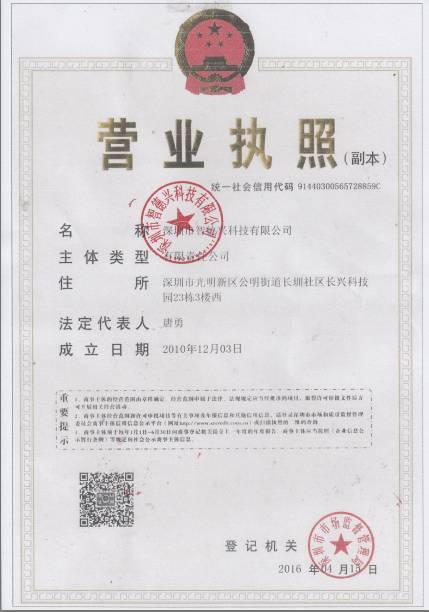
Innovative Technology Drives Development: Thin-Film Switches from Shenzhen Zhidexing Technology

Innovation Drives Development: The Future of Membrane Switches In today's rapidly evolving technological era, innovation undoubtedly serves as a vital force propelling industries forward. Among the myriad of technologies available, tactile membrane switches have gradually emerged as market favorites due to their unique advantages. Have you ever wondered why more and more devices are adopting membrane switches? What exactly makes them so appealing? Let’s dive into this topic together. What Exactly Is a Tactile Membrane Switch? Simply put, a tactile membrane switch is a type of switch constructed by layering multiple thin films on top of one another. When you press these switches, the films undergo specific changes, effectively completing the circuit. This design not only ensures that the buttons are incredibly lightweight but also enhances the overall aesthetic appeal with its modern, sleek appearance. Imagine effortlessly performing a series of complex operations with just a gentle touch—doesn’t that level of convenience leave you pleasantly surprised? The Advantages of Membrane Switches A membrane switch is far more than just a basic electronic component; it embodies a thoughtful design philosophy. First and foremost, its ultra-thin and lightweight nature significantly reduces the overall weight of devices, making it an ideal choice for portable gadgets where every gram counts. Additionally, membrane switches boast exceptional water resistance and wear durability, ensuring reliable performance even in harsh or demanding environments. Picture this: whether it’s in a kitchen setting or other challenging conditions, these switches continue to function seamlessly, offering both reliability and longevity.

2025-03-04

< 1234...17 >