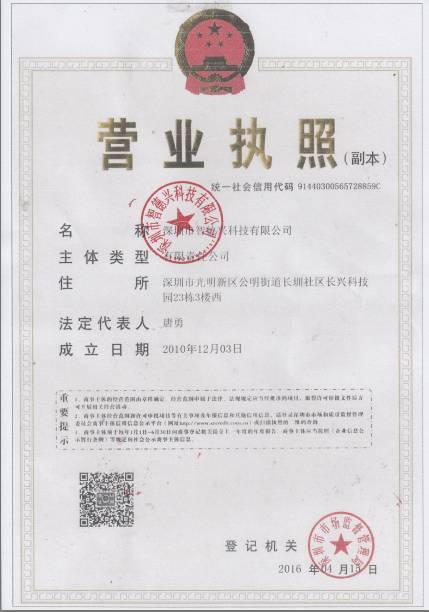
Innovative Technology Drives Development: Thin-Film Switches from Shenzhen Zhidexing Technology

Release date:

2025-03-04


Innovative Technology Drives Development: The Future of Membrane Switches


In today's rapidly evolving technological era, innovation undoubtedly serves as a crucial driving force propelling progress across various industries. Among the myriad of technologies available, the membrane switch has gradually emerged as a market favorite due to its unique advantages. Have you ever wondered why more and more devices are beginning to adopt membrane switches? What exactly makes them so appealing? Let's explore this topic together in the following discussion.


What is a tactile membrane switch?


In simple terms, a membrane keypad switch is a type of switch constructed by layering multiple thin film sheets. When you press these switches, the films undergo specific changes, completing the electrical circuit. This design not only makes the keys exceptionally lightweight but also enhances their appearance with a modern aesthetic. Imagine effortlessly achieving a series of complex operations with just a gentle touch—doesn’t this convenience leave you pleasantly surprised?


The advantages of membrane switches


A membrane switch is not merely a simple electronic component—it represents a design philosophy in its own right. First, its lightweight and thin profile makes devices significantly more portable, making it an indispensable element, especially in handheld or wearable gadgets. Second, the waterproof and wear-resistant properties of membrane switches ensure reliable performance even in harsh environments. Imagine settings like kitchens or laboratories, where these switches can effectively withstand exposure to liquids and dust—doesn’t that sense of security bring you peace of mind?


The application field is extensive.


From household appliances to industrial equipment, from medical instruments to smart home devices, the presence of membrane switch buttons can be found everywhere. Have you noticed that many modern devices incorporate membrane switch designs on their surfaces? This not only enhances the aesthetic appeal of the devices but also significantly improves the user experience. Particularly in the realm of smart homes, the introduction of membrane switches allows us to effortlessly control various household devices, enjoying the convenience and technological advancements brought by innovation anytime, anywhere.


Future Development Trends


With the continuous advancement of technology, the future development of membrane switches is also brimming with limitless possibilities. For instance, the rise of flexible electronics has led to increasingly innovative designs for key-operated membrane switches, while the diversification of shapes and functionalities will undoubtedly enrich our choices. Moreover, the growing trend toward intelligent technologies continues to drive technological breakthroughs in membrane switch innovation. Imagine a future where membrane switches are no longer just simple on-off devices—they could evolve into multifunctional smart touch panels, even capable of self-learning and optimizing themselves based on users' operational habits. So, are you looking forward to such a futuristic scenario?


Conclusion


Overall, the membrane switch, with its unique design and wide-ranging applications, is continually transforming our lives. It is not merely an electronic switch but also a symbol of technological advancement. In this highly competitive market, choosing a membrane switch is undoubtedly a smart decision. Looking ahead, we eagerly anticipate that it will continue to bring us greater surprises and conveniences.


So, have you also started paying attention to the applications and development of membrane switches? In this era of rapid technological advancement, even the smallest innovation has the potential to spark a major transformation.


Related News

For Superior Quality: Unveiling the Production Process of Membrane Switches In today’s rapidly advancing technological era, membrane switch buttons have undoubtedly become an indispensable part of our daily lives. Whether in household appliances, automobiles, or a wide range of electronic devices, these switches play a crucial role. But have you ever wondered what intricate and sophisticated production processes lie behind these seemingly simple switches? At its core, a membrane switch button boasts a relatively straightforward design—but the precision of each individual component directly influences its performance and longevity. Let’s start with its basic structure. Typically, it consists of three key layers: the conductive layer, which facilitates signal transmission; the insulating layer, providing essential protection; and the decorative layer, which not only enhances aesthetics but also boosts user comfort. Imagine this scenario: without the seamless coordination among these layers, the functionality of the membrane switch would be severely compromised. It’s akin to a well-orchestrated musical ensemble—each instrument must strike the right tone and rhythm to create a harmonious masterpiece. Similarly, producing high-quality membrane switch buttons demands meticulous attention to detail and rigorous craftsmanship. When it comes to manufacturing processes, precision and painstaking care are absolutely paramount.


Future Trends in Membrane Switches: ZhideXing Technology Leads the Industry In today’s era of rapid technological advancement, a wide array of products continues to emerge. Among these innovations, there is one seemingly unassuming yet critically important component that plays a vital role in our daily lives—membrane switches with button interfaces. Have you ever wondered how membrane switches might evolve in the future? Today, we’ll explore the emerging trends in this field, particularly highlighting how innovative companies are driving the next wave of development. ### What Are Membrane Switches with Button Interfaces? Before diving deeper into the discussion, let’s first understand the fundamental concept of these switches. A membrane switch is a type of electronic switch constructed from multiple layers of thin film materials. It is commonly used in various electronic devices, enabling users to interact with the device by pressing on its surface. Sounds simple, right? Yet, beneath this compact design lies a wealth of advanced technology and thoughtful engineering principles. ### Market Demand for Membrane Switches With the rise of smart devices and the Internet of Things (IoT), the market demand for membrane switches is experiencing explosive growth. These switches can be found in virtually every corner of our lives—whether in household appliances, industrial equipment, or automotive electronics. Have you noticed how many everyday devices rely on this type of switch? That’s because membrane switches not only save space and reduce costs but also deliver an exceptional user experience.


The Perfect Fusion of Technology and Design: The Allure of Membrane Switches In the wave of modern technology, the integration of design and engineering has become increasingly crucial. When it comes to this topic, the membrane switch stands out like a brilliant gem, radiating the dazzling interplay of technology and artistry. Have you ever wondered why more and more devices are choosing to incorporate this type of switch? Let’s explore this fascinating subject together. At its core, the concept of a membrane switch is straightforward yet ingenious. Simply put, it’s a type of switch composed of multiple thin film layers, typically made from conductive and insulating materials. Imagine holding a soft rubber pad—when you gently press down on it with your finger, you experience a subtle tactile feedback. This feedback not only confirms that your action has been successfully registered but also provides users with an enjoyable and satisfying interaction. So, why opt for membrane switches? First and foremost, their advantages are undeniable. These switches are lightweight, highly durable, and perfectly adaptable to meet diverse design requirements. Whether you desire vibrant colors or intricate patterns, membrane switches can effortlessly deliver exactly what you envision. Picture this: your device features a beautifully colorful button that instantly uplifts your mood just by catching your eye. Designers particularly appreciate these switches because they offer exceptional visual appeal, making them a favorite choice in cutting-edge product design. Moreover, membrane switches boast impressive waterproof capabilities, ensuring reliable performance even in challenging environments.


High-Quality Membrane Switches: Shenzhen Zhidexing Technology's Leading Position In modern electronic products, "button membrane switches" are playing an increasingly vital role. Whether in household appliances, industrial equipment, or consumer electronics, their applications can be found almost everywhere. However, with numerous membrane switch manufacturers on the market, how do you choose a company that offers reliable quality and cutting-edge technology? Today, we'll explore high-quality membrane switches and highlight the outstanding performance of a leading enterprise in this field. What Exactly Is a Button Membrane Switch? First, let’s understand what a button membrane switch is. Simply put, it’s a type of switching device that uses a thin film material as its surface. Despite its relatively simple structure, this kind of switch can deliver sophisticated functionality—particularly excelling in tactile feedback, wear resistance, and water-proof capabilities. The advantages of membrane switches include easy installation, low maintenance costs, and exceptional durability. Where Are Membrane Switches Used? The applications of membrane switches span nearly every corner of the electronics industry. From home appliances to medical devices, from automotive control panels to industrial automation systems—button membrane switches are ubiquitous. Just think about your coffee machine, microwave oven, or even fitness equipment—behind each of these devices, there could very well be a high-performance membrane switch at work.