Widespread Application of Membrane Switches in CNC Machinery
Release date:
2024-09-15
The widespread application of membrane switches in CNC machinery
In the modern world of CNC machinery, the role of membrane switches is becoming increasingly significant. Have you ever wondered what kind of technology and applications lie behind these seemingly simple membrane buttons? Not only do they enhance the operational experience of devices, but they also make substantial contributions to the intelligence and convenience of mechanical systems. Next, let's delve deeper into the widespread applications of membrane switches in CNC machinery—and uncover the fascinating appeal that drives their success.
The Basic Structure of Membrane Switches
First, the construction of a membrane switch is worth noting. You might wonder, "Isn't it just a thin layer of material?" Indeed, a membrane switch does consist of several layers of film—but each layer plays a crucial and distinct role. Typically, it comprises an upper-layer key panel, a lower-layer circuitry, and an intermediate insulating layer in between. The surface of the key panel can be designed in a wide variety of ways depending on specific requirements, while the circuit layer is responsible for transmitting electrical signals. This unique design not only makes membrane switches lightweight and highly durable but also enables them to support a diverse range of functionalities.
The advantages of membrane switches
So, what exactly are the advantages of membrane switches? First and foremost, they offer exceptionally fast response times. In CNC machinery, operators require real-time feedback, and membrane switches can swiftly transmit commands, significantly reducing mechanical response delays. Additionally, membrane switches boast excellent water resistance and anti-fouling capabilities—features that are particularly crucial in industrial environments. Imagine a piece of equipment operating in damp or dusty conditions; the sealed design of membrane switches effectively safeguards the internal circuitry from damage, ensuring reliable performance even under challenging circumstances.
Moreover, the design flexibility of membrane switches is also one of their significant advantages. You can customize different shapes and colors according to the machine's specific requirements, allowing each CNC machine to achieve a unique and distinctive appearance. In today's competitive market, such distinctive designs can effectively attract more customers. This personalized customization is precisely one of the key reasons why membrane switches remain highly popular.
Application Scenarios of Membrane Switches in CNC Machinery
The application scenarios of membrane switches are extremely wide-ranging. In equipment such as CNC machine tools, laser cutting machines, and 3D printers, membrane buttons can be found almost everywhere. Take CNC machine tools as an example: operators can easily set processing parameters, start or stop the equipment using membrane buttons. Imagine what would happen if such a simple and direct method of operation were absent—work efficiency would significantly decline, potentially even leading to safety hazards.
Not only that, but with the advent of Industry 4.0, CNC machinery is evolving toward intelligent operation. In this process, membrane switches have also played a significant role. By integrating with technologies such as touchscreens and sensors, membrane buttons enable more sophisticated operational capabilities. For instance, some advanced CNC equipment now feature one-touch switching for different working modes—users can simply tap the membrane button to seamlessly transition between modes, significantly enhancing overall productivity.
Future Development Trends of Membrane Keyboards
With the continuous advancement of technology, the future of membrane switches is also brimming with limitless possibilities. Have you ever imagined that future membrane buttons will become even smarter? For instance, by integrating biometric recognition technology, these buttons could capture users' fingerprints, ensuring that only authorized personnel can operate the equipment. Such enhanced security measures will undoubtedly provide greater protection for the use of CNC machinery.
Alternatively, with the advancement of IoT technology, membrane switches can be connected to cloud-based data systems, enabling remote monitoring and operation. Imagine being able to instantly grasp the operational status of your machinery—no matter where you are—simply by lightly touching a membrane switch. Such convenience will undoubtedly attract more businesses to adopt CNC equipment in their operations.
Conclusion
In summary, the widespread application of membrane switches in CNC machinery has not only enhanced the operational experience of these devices but also driven the industry toward greater intelligence. With their unique design and outstanding performance, membrane switches have become an indispensable component in modern manufacturing. Looking ahead, as technology continues to advance, the application scenarios and functionalities of membrane buttons will undoubtedly become even more diverse and innovative.
In the modern world of CNC machinery, the role of membrane switches is becoming increasingly significant. Have you ever wondered what kind of technology and applications lie behind these seemingly simple membrane buttons? Not only do they enhance the operational experience of devices, but they also make substantial contributions to the intelligence and convenience of mechanical systems. Next, let's delve deeper into the widespread applications of membrane switches in CNC machinery—and uncover the fascinating appeal that drives their success.
The Basic Structure of Membrane Switches
First, the construction of a membrane switch is worth noting. You might wonder, "Isn't it just a thin layer of material?" Indeed, a membrane switch does consist of several layers of film—but each layer plays a crucial and distinct role. Typically, it comprises an upper-layer key panel, a lower-layer circuitry, and an intermediate insulating layer in between. The surface of the key panel can be designed in a wide variety of ways depending on specific requirements, while the circuit layer is responsible for transmitting electrical signals. This unique design not only makes membrane switches lightweight and highly durable but also enables them to support a diverse range of functionalities.
The advantages of membrane switches
So, what exactly are the advantages of membrane switches? First and foremost, they offer exceptionally fast response times. In CNC machinery, operators require real-time feedback, and membrane switches can swiftly transmit commands, significantly reducing mechanical response delays. Additionally, membrane switches boast excellent water resistance and anti-fouling capabilities—features that are particularly crucial in industrial environments. Imagine a piece of equipment operating in damp or dusty conditions; the sealed design of membrane switches effectively safeguards the internal circuitry from damage, ensuring reliable performance even under challenging circumstances.
Moreover, the design flexibility of membrane switches is also one of their significant advantages. You can customize different shapes and colors according to the machine's specific requirements, allowing each CNC machine to achieve a unique and distinctive appearance. In today's competitive market, such distinctive designs can effectively attract more customers. This personalized customization is precisely one of the key reasons why membrane switches remain highly popular.
Application Scenarios of Membrane Switches in CNC Machinery
The application scenarios of membrane switches are extremely wide-ranging. In equipment such as CNC machine tools, laser cutting machines, and 3D printers, membrane buttons can be found almost everywhere. Take CNC machine tools as an example: operators can easily set processing parameters, start or stop the equipment using membrane buttons. Imagine what would happen if such a simple and direct method of operation were absent—work efficiency would significantly decline, potentially even leading to safety hazards.
Not only that, but with the advent of Industry 4.0, CNC machinery is evolving toward intelligent operation. In this process, membrane switches have also played a significant role. By integrating with technologies such as touchscreens and sensors, membrane buttons enable more sophisticated operational capabilities. For instance, some advanced CNC equipment now feature one-touch switching for different working modes—users can simply tap the membrane button to seamlessly transition between modes, significantly enhancing overall productivity.
Future Development Trends of Membrane Keyboards
With the continuous advancement of technology, the future of membrane switches is also brimming with limitless possibilities. Have you ever imagined that future membrane buttons will become even smarter? For instance, by integrating biometric recognition technology, these buttons could capture users' fingerprints, ensuring that only authorized personnel can operate the equipment. Such enhanced security measures will undoubtedly provide greater protection for the use of CNC machinery.
Alternatively, with the advancement of IoT technology, membrane switches can be connected to cloud-based data systems, enabling remote monitoring and operation. Imagine being able to instantly grasp the operational status of your machinery—no matter where you are—simply by lightly touching a membrane switch. Such convenience will undoubtedly attract more businesses to adopt CNC equipment in their operations.
Conclusion
In summary, the widespread application of membrane switches in CNC machinery has not only enhanced the operational experience of these devices but also driven the industry toward greater intelligence. With their unique design and outstanding performance, membrane switches have become an indispensable component in modern manufacturing. Looking ahead, as technology continues to advance, the application scenarios and functionalities of membrane buttons will undoubtedly become even more diverse and innovative.
Related News

Leave a Message Online
Contact Us
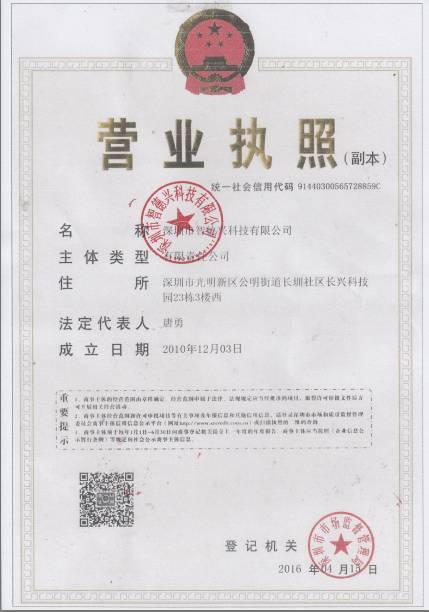
Address: 3rd Floor, East Wing, Building 16, Changxing Science Park, Changzhen Community, Yutang Subdistrict, Guangming District, Shenzhen City
Phone: 86 0755-2718 3721
Phone: 86 133-1296-3946 Mr. Tang
Mobile: 86 133-7767-1903 Ms. Zou
Mobile: 86 136 2235 2676 Mr. Chen
Phone: 86 134 2392 7461 Mr. Zhu
Email: zdxtt@zdxtt.com
szzdx@vip.163.com