Introduction to Precautions for Membrane Switches—Don't Miss It!
Release date:
2023-04-12
Thin-film switches are commonly used components in many electronic devices, but when using them, it's important to pay attention to certain considerations to avoid compromising their performance.
First, when installing the membrane switch, avoid applying excessive force, as this could damage its structure and precision, thereby affecting its performance. Additionally, ensure that the membrane switch is installed in a moisture- and dust-proof environment to prevent moisture and dust from entering, which might compromise the switch's contacts and render it unable to function properly.
Secondly, attention should be paid to the temperature environment of the membrane switch. The membrane switch must not be used in high-temperature environments, as such conditions can compromise its mechanical and insulating properties, rendering it unable to function properly. Additionally, the membrane switch should also avoid use in low-temperature environments, since cold temperatures may affect its sensitivity, similarly preventing it from operating correctly.
Please pay attention to the power environment of the membrane switch and ensure that the power supply quality is good, so as to avoid power interference that could affect the normal operation and performance of the membrane switch.
In summary, proper use of the membrane switch can ensure its overall performance, enabling it to function correctly and maintaining the normal operation of the system. Therefore, when using a membrane switch, it is essential to pay attention to the above-mentioned precautions to guarantee its safe and reliable operation.
A薄膜 switch is a high-precision electronic component primarily used to control circuits in electronic devices, including both AC and DC circuits, enabling more efficient operation of these devices. The applications of film switches are incredibly diverse, ranging from household appliances and industrial control systems to healthcare systems and automotive applications—wherever you look, you'll find their presence.
Household appliances often utilize membrane switches, such as in electric irons, electric fans, washing machines, televisions, and more. These devices all require adjustable switches to control their functions, and membrane switches perfectly meet these needs. They offer precise control capabilities, boast a long service life, and are highly reliable, making them resistant to common malfunctions.
Thin-film switches are also frequently used in industrial control systems, such as machine tool control systems and automated vending machine systems. These systems require high-precision control capabilities, and thin-film switches happen to be the ideal components to meet this demand—they help industrial systems achieve more accurate control over machine operations.
In addition, membrane switches are also commonly used in health systems, such as electrocardiographs, electroencephalographs, pulmonary function instruments, and more. These devices all require precise control capabilities; therefore, the use of membrane switches is essential, as they enable more efficient operation of the equipment, ultimately enhancing diagnostic accuracy.
Thin-film switches are also used in the automotive industry, such as in the control systems for car windows and accelerator pedals. These systems rely on thin-film switches because they offer enhanced precision in control, ensuring safer and more stable vehicle operation.
In summary,薄膜开关 have numerous applications in electronic devices. They offer precise control capabilities, boast long lifespans, and exhibit high reliability, making them widely used across various industries—including household appliances, industrial control systems, healthcare systems, and the automotive sector.
Related News

Leave a Message Online
Contact Us
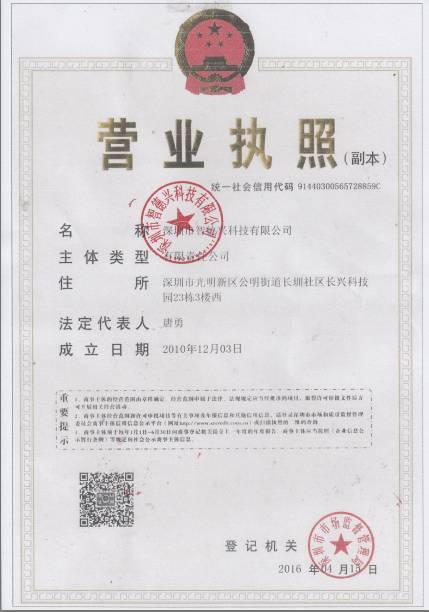
Address: 3rd Floor, East Wing, Building 16, Changxing Science Park, Changzhen Community, Yutang Subdistrict, Guangming District, Shenzhen City
Phone: 86 0755-2718 3721
Phone: 86 133-1296-3946 Mr. Tang
Mobile: 86 133-7767-1903 Ms. Zou
Mobile: 86 136 2235 2676 Mr. Chen
Phone: 86 134 2392 7461 Mr. Zhu
Email: zdxtt@zdxtt.com
szzdx@vip.163.com