Check Category

The Perfect Combination of Membrane Switches and LED Lights

Have you ever wondered what kind of magic happens when a membrane switch meets an LED light? For the smart home and consumer electronics industries, this is truly an exciting combination. As a lightweight, flexible switching device, the membrane switch, when paired with the dynamic brightness and color variations of an LED light, delivers a more visually appealing and highly functional user experience. As a manufacturer specializing in the production of membrane button switches, we are dedicated to seamlessly integrating these two innovative technologies, providing users with cutting-edge, personalized solutions. A membrane button switch is crafted from specialized materials, offering features such as flexibility, durability, and ease of operation. It typically relies on touch or pressure to control circuit activation, making it widely used across various electronic products. Meanwhile, LED lights—semiconductor-based light sources—boast remarkable advantages like high brightness, exceptional energy efficiency, and an impressively long lifespan. By combining the convenience of membrane switch functionality with the versatility of LED lighting, this integration not only enhances the ease of use but also elevates the overall user experience through customizable lighting effects. Just imagine: when you gently tap the membrane switch, the accompanying LED light illuminates instantly, casting a soft yet vibrant glow around you. With just a simple press on different areas of the switch, you can effortlessly adjust both the brightness and color of the LED light, allowing you to create the perfect ambiance tailored to your needs.


2023-09-09

The Importance and Techniques of Membrane Switch Design Shared

The Importance and Techniques of Membrane Switch Design Membrane switches are a common type of electronic component widely used in various electronic products. Their design and manufacturing significantly influence the performance and user experience of these products. This article will explore the importance of membrane switch design while sharing some relevant techniques and practical insights. First, let’s delve into the basic principles and structure of membrane switches. These switches consist of components such as a film resistor, metal contacts, and conductive pads. By pressing or touching the film surface, the contacts make contact with the pads, thereby opening or closing the circuit. Membrane switches are characterized by their compact size, lightweight design, and high operational sensitivity, making them ideal for control and input functions in a wide range of electronic devices. The importance of membrane switch design cannot be overstated. A well-designed switch can enhance product reliability, durability, and overall user experience. First and foremost, designers must consider the switch’s appearance and dimensions to ensure seamless integration with the product’s overall aesthetic and form factor. Additionally, thoughtful structural design can improve the switch’s resistance to water, dust, and vibration, thereby boosting its reliability and extending its service life. Furthermore, designers need to select appropriate tactile feedback and operating mechanisms based on the product’s intended functionality and usage scenarios. The feel of the switch’s buttons can be customized according to specific requirements—ranging from light-touch to medium- or heavy-touch responses. Moreover, ensuring consistent tactile feedback is crucial for providing users with a reliable and satisfying interaction experience.

2023-08-30

Innovative Design of Membrane Switches: Enhancing Product Performance and Functionality

Film switches have always been one of the crucial components in electronic products, widely used across various fields such as mobile phones, computers, and household appliances. However, with continuous advancements in technology and increasingly stringent user demands for product performance and functionality, traditional film switches can no longer meet market requirements. Consequently, innovative design has become the key to enhancing both product performance and features. Among these innovations, the tactile membrane switch—a specific type of film switch—has achieved significant breakthroughs. By incorporating new materials and advanced manufacturing processes, this switch offers enhanced responsiveness, a more comfortable tactile experience, and significantly extended service life. These innovative designs not only elevate product performance but also deliver a superior user experience. One of the critical breakthroughs in the innovative design of tactile membrane switches lies in material improvements. While conventional film switches primarily rely on polyimide materials, tactile membrane switches now utilize cutting-edge silicone materials. This advanced silicone boasts exceptional elasticity and wear resistance, ensuring not only superior sensitivity and tactile feedback but also effectively mitigating wear and aging over prolonged use. Beyond material enhancements, the structural design of tactile membrane switches has also undergone substantial transformation. Traditional film switch structures tend to be relatively simple, whereas the innovative design of tactile membrane switches introduces more sophisticated configurations that optimize functionality and durability.

2023-07-24

A Leader in High-Tech Enterprises: Shenzhen Zhidexing Technology Film Switch

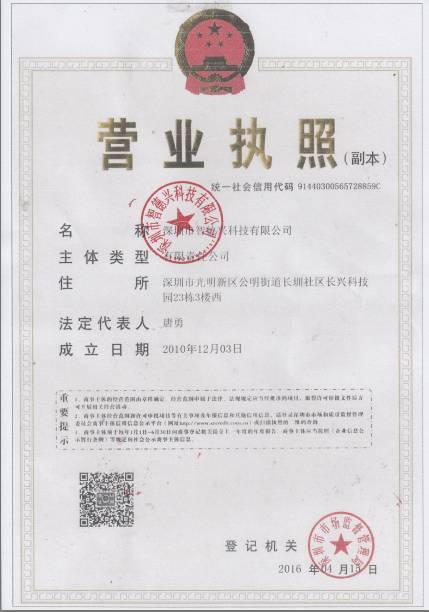
A Leader in High-Tech Enterprises: Shenzhen Zhidexing Technology Film Switches In the era of rapid advancement in modern technology, high-tech enterprises play a pivotal role in driving societal progress. Among these trailblazers stands Shenzhen Zhidexing Technology Film Switches—a company that has garnered significant attention for its leadership in innovative technology and its outstanding performance in the market. As a core component of modern electronic devices, film switches serve as the vital bridge connecting users with their technological tools. In today’s high-tech products, key film switches have become indispensable, serving as critical elements that enhance functionality and user experience. As one of Zhidexing Technology’s flagship products, the key film switch has established itself as a market leader whose influence cannot be overlooked. Through continuous research and development, Zhidexing Technology has successfully pushed the boundaries of film switch performance to unprecedented levels. Their key film switches not only deliver exceptional sensitivity and rapid response times but also boast remarkable durability and reliability. These superior qualities have enabled their products to find widespread applications across diverse industries, including home appliances, consumer electronics, telecommunications, automotive systems, and more. In an increasingly competitive market landscape, Zhidexing Technology continues to earn industry recognition and customer trust through its cutting-edge technology and premium-quality offerings. Their key film switches have firmly secured a prominent position in the domestic market while steadily expanding their global footprint.

2023-07-14

Manufacturing of Membrane Switches: Understanding the Production Processes and Technologies

Thin-Film Switch Manufacturing: Understanding the Production Processes and Technologies Have you ever wondered how the button functions in the electronic devices we use every day are achieved? The answer lies in thin-film switches—key components widely employed in modern electronic products, enabling sensitive key operations and delivering rapid response times. This article will introduce you to the production processes and technologies behind thin-film switches, helping you gain a deeper understanding of this essential device. A thin-film switch is a type of switch constructed from thin-film materials, featuring a structure composed of one or more layers of conductive and insulating materials. Its working principle relies on pressing the switch's button, which causes the conductive layers to make contact, thereby completing or breaking the electrical circuit. Due to its simple structure, compact size, and swift response characteristics, thin-film switches have become indispensable in various electronic devices, including mobile phones, computers, and household appliances. In the manufacturing process of thin-film switches, selecting appropriate materials is the first critical step. Commonly used materials include polyamide, polyester, and polycarbonate, all of which exhibit excellent conductivity and wear resistance. Next, these materials are formed into thin films through molding techniques, followed by the creation of conductive and insulating layers. Typically, the conductive layer is made from metallic materials such as copper, silver, or carbon ink, while the insulating layer is crafted from materials like polyamide. Finally, the completed components undergo precise assembly to ensure optimal performance and reliability.

2023-07-04

< 1...789...14 >